
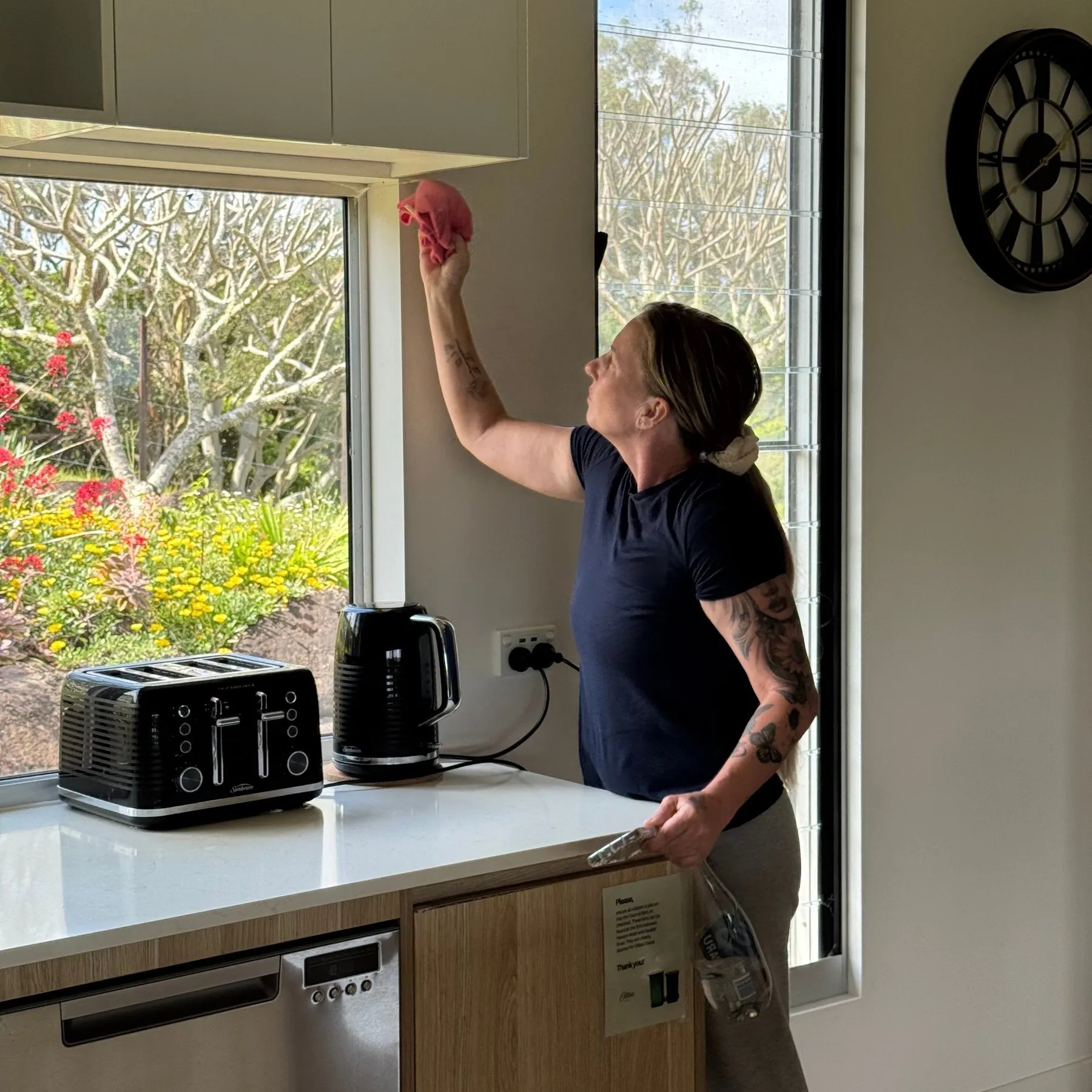
Mould cleaning services and mould removal that gets it off
Our mould cleaning services cover bathrooms, walls, ceilings and wardrobes right across the Northern Rivers, the Tweed and the Southern Gold Coast. Mould removal on the surfaces you can see, and an honest answer about what is feeding it. Easy to book, fast quoting, cost effective.
Book an inspection today
Mould is a fungus that grows on damp indoor surfaces, which is why it turns up on bathroom ceilings, window reveals, wardrobe backs and the cool outside walls of a room. It needs moisture, and it stops needing anything else once it has that. TLB Cleaning provides mould cleaning services right across the Northern Rivers, the Tweed and the Southern Gold Coast, on surfaces rather than inside walls.
Mould cleaning and mould removal are the same job by two names. What both of them mean, done honestly, is removing the growth from the surface it is on. What neither of them means is fixing the reason it grew there, and that difference is most of this page.
Mould turns up three ways here.
Which one is yours?
-
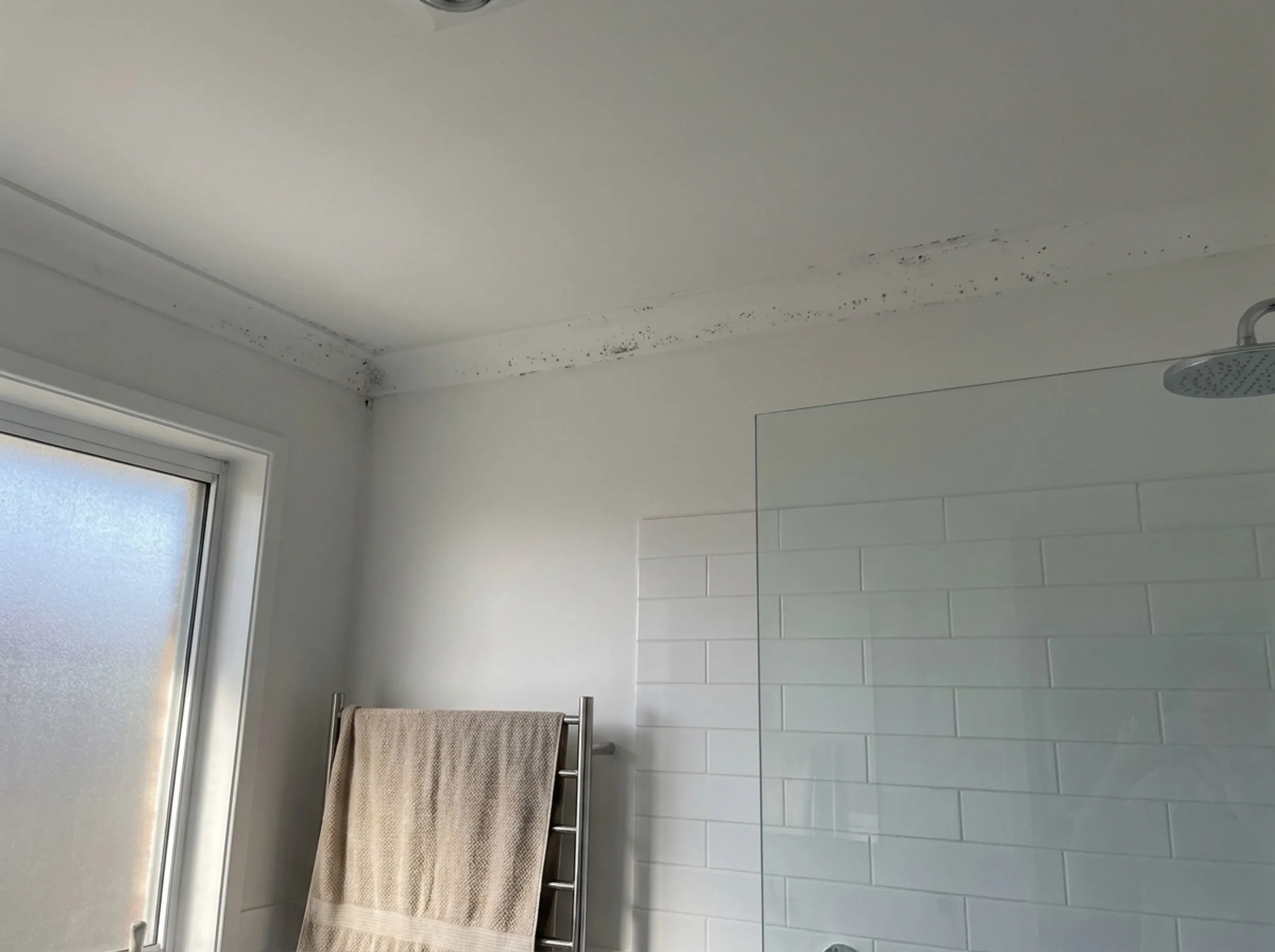
It's in the bathroom and it looks awful
The most common one, and the most straightforward. Ceilings, cornices, silicone lines, grout and window reveals. We clean it off and tell you what we saw behind it.
Get a fast quote -
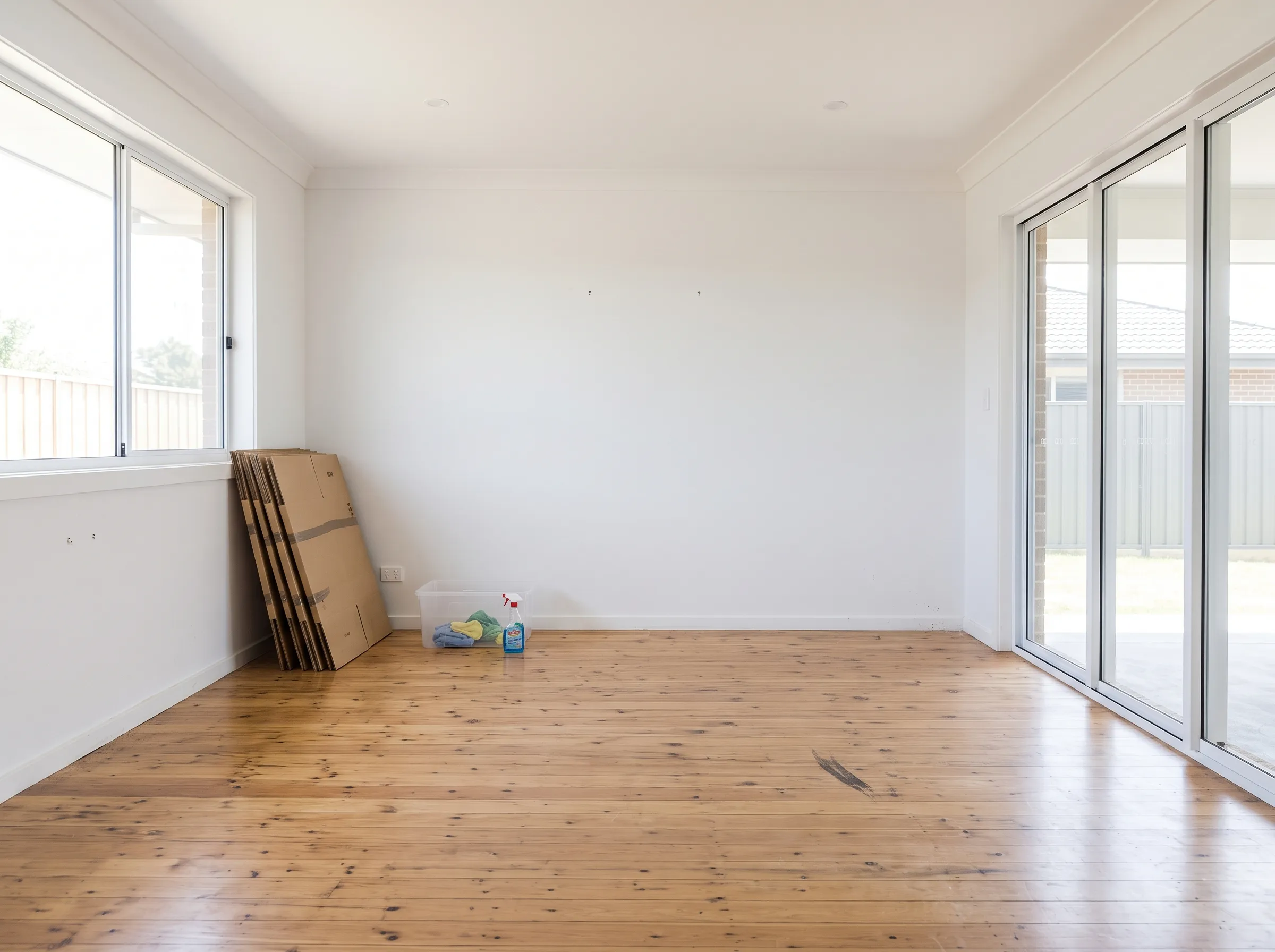
I'm moving out and there's mould
Then it sits inside the bond clean rather than beside it, because the exit inspection is going to look at exactly those surfaces. Book the two together.
End of lease and bond cleaning -

It keeps coming back
Then cleaning is not your problem, moisture is, and someone has probably already cleaned it once. Here is what is actually going on.
Why it comes back
Where it turns up, and what we do about it
Mould grows in the same handful of places in house after house on this coast.
Bathroom ceilings and cornices
The single most common place we are called to, because a bathroom makes its own weather twice a day. Ceilings, cornices, the wall above the shower and the corners where the extraction fan never quite reaches.
Silicone, grout and shower seals
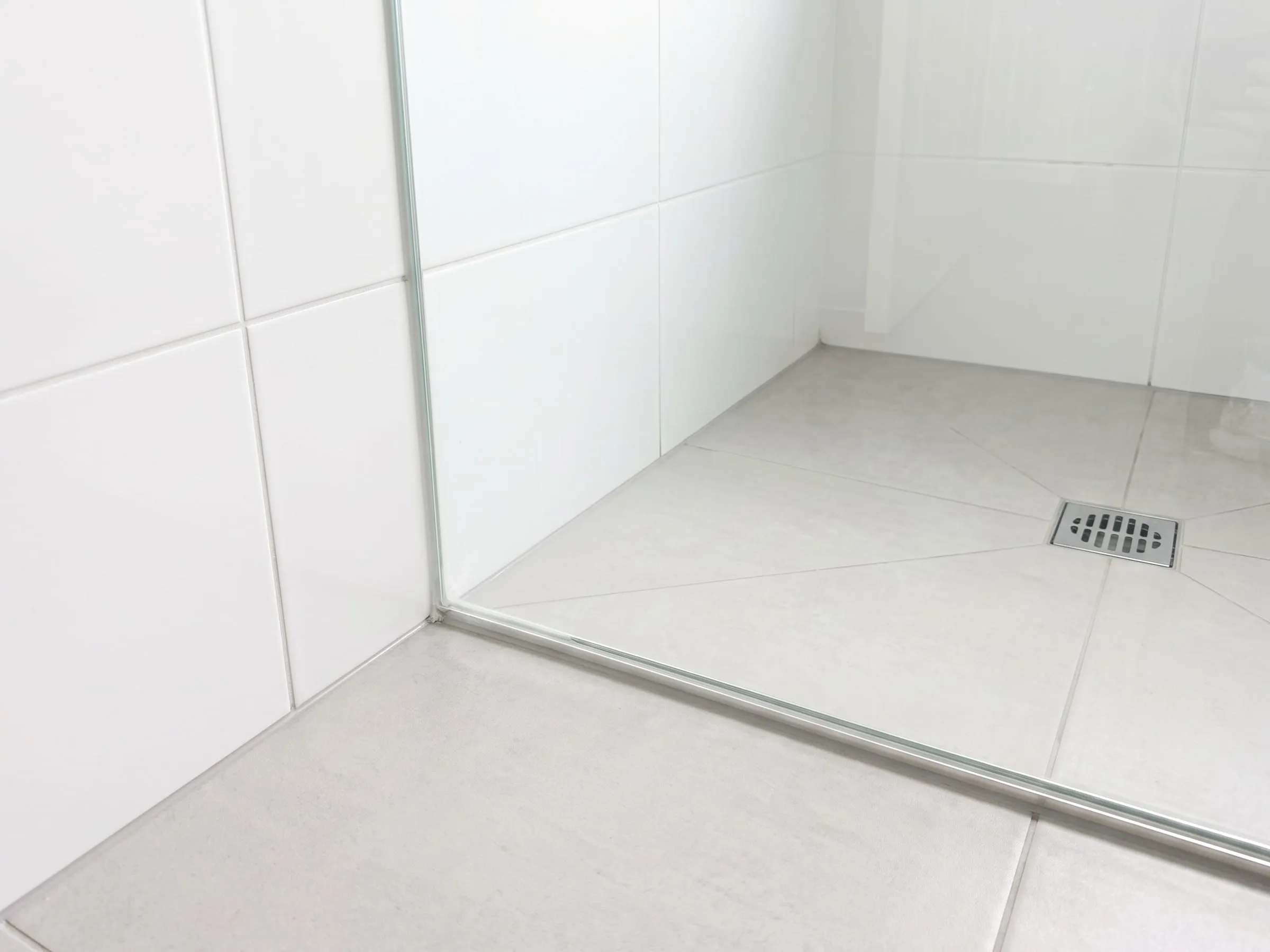
Grout lines, shower bases and the silicone beads around baths and screens. Some of it cleans up completely. Silicone that has gone black all the way through has failed rather than got dirty, and it needs replacing rather than scrubbing. We tell you which one you have.
Window reveals, sills and tracks
Where the condensation sits every morning through winter and never quite dries before the next night. Reveals, sills, the tracks underneath and the rubber seals along the frame.
Wardrobes, cupboards and behind furniture
Cool outside walls with something pressed against them and no air moving. Wardrobe backs and floors, the wall behind a bedhead, the back of a linen cupboard. Usually found by smell before it is found by sight.
Walls, ceilings and painted surfaces
Surface growth on sound paint, cleaned back. Where the paint is already lifting, bubbling or soft, the moisture is behind it rather than on it, and cleaning the face of it achieves nothing that lasts. We say so instead of doing it.
What we look at while we are there
Whether there is an extraction fan and whether it works, where the air does and does not move, and anything obviously wet that should not be. Not an inspection and not a report, just a set of eyes and an honest answer at the end of it.
Quoted separately: carpet and rug cleaning, upholstery and mattress cleaning, and full wall washing where the mould has spread well beyond spotting. Ask for these with your quote so the whole job is priced once, rather than half of it being discovered on the day.
Not a cleaning job at all: mould inside a wall or ceiling cavity, mould that follows a burst pipe, a roof leak or a flood, mould across a large area of a home, or paint and plaster that has gone soft. Those need a plumber, a builder or a licensed remediation specialist, and cleaning the surface will only hide the problem until it comes back. If that is what we find, we will tell you on the spot and we would rather lose the job than take it.
Why it happens here
This is a mould climate. It is not a reflection on how you keep your house.
The humidity is the whole story
A warm subtropical coast with a wet summer is close to ideal growing conditions for most of the year. Homes here get damp in ways the same house would not three hours inland.
Houses that get shut up
Holiday homes between guests, a place left while the owners are away, a spare room nobody opens. Air stops moving, humidity settles, and mould does the rest quietly with nobody there to notice.
Bathrooms with nowhere for the steam to go
An extraction fan that vents into the roof space instead of outside, or one that was never fitted, or a window nobody opens in winter. The moisture has to go somewhere and it goes into the ceiling.
Three things worth not doing first
Do not dry-brush, dry-scrape or vacuum it while it is dry. Disturbing mould dry is how the spores leave the surface and go everywhere else in the room, which turns one job into four.
Never mix bleach with ammonia, with a cleaner containing ammonia, or with other cleaning products. That combination produces a dangerous gas, and it is a genuine risk in a small, closed bathroom. If you are not sure what is in the bottle, do not combine it with anything.
Do not assume bleach has fixed it. Queensland Health’s advice is that bleach may not be effective at killing mould on porous surfaces like plaster, grout and unsealed timber, even though the stain lifts and the surface looks clean. White vinegar is the other common choice, and it should never be mixed with bleach either. If the spotting keeps coming back in the same spot after a bottle of something, that is the moisture talking, not the product.
Beyond that, we would rather you left it and let us look at it than went at it hard, because a surface that has been scrubbed through is a harder job afterwards, not an easier one.
Cleaning takes it off. Moisture is what brings it back.
Mould grows where there is moisture, so it regrows wherever the moisture is still there. Clean it off a bathroom ceiling that gets no ventilation and it will be back, usually within a few months, because nothing about the ceiling changed. That is not a bad clean. That is the clean doing its job on a problem that was never a cleaning problem.
Sometimes the fix is small and free. Run the fan for twenty minutes after a shower instead of two. Open the room up on a dry day. Pull the wardrobe two centimetres off the wall so air can get behind it. Stop drying washing inside a closed room, or run a dehumidifier in the worst room through the wet months. We will point out the ones we can see while we are there.
Sometimes the fix is not small, and it is a leak, a failed seal, a fan venting into the roof space or no ventilation at all. Then it is a plumber, an electrician or a builder, and it is worth spending that money before spending ours again. We would rather tell you that once than clean the same ceiling every autumn.
For plenty of homes on this coast the answer is not dramatic. The ceiling gets cleaned when it needs it, somebody who already knows the house notices the spotting before you do, and it stops being a thing you keep meaning to deal with. That is what a regular clean quietly does on top of everything else.
Mould clean, deep clean or specialist remediation
| Which one you need | Mould clean | Deep clean | Specialist remediation |
|---|---|---|---|
| What it is | Surface mould removed from the surfaces it is growing on | A one-off reset of the whole house, room by room | Building work that removes affected material and fixes the cause |
| When you need it | Visible growth on ceilings, seals, reveals or wardrobe walls | The house is due a reset and there is some spotting along with everything else | Mould inside a cavity, after a leak or a flood, or across a large area |
| Who does it | TLB Cleaning | TLB Cleaning | A licensed remediation specialist, plumber or builder |
| Does it fix the cause | No. We identify what we can see and tell you | No | Yes, that is the whole point of it |
| Will it come back | Yes, if the moisture is still there | Yes, if the moisture is still there | Not if the cause has actually been fixed |
Plenty of jobs are simply the first column, and a bathroom ceiling cleaned properly once or twice a year is a normal way to live in a house on this coast. The point of the table is that if you are in the third column, no amount of cleaning is going to be the answer, and you should know that before you pay anyone.
Mould cleaning services for agencies, holiday lets and commercial premises
Most of this page is written for somebody looking at their own bathroom ceiling. The work is the same when it is not your house, but the pressure around it is different. One provider, one point of contact, and the same people who already know the building.
- Property managers and agenciesUsually a vacancy or a routine inspection, and the question is whether it can be cleaned in time rather than whether it can be cleaned. Tell us at the same time as the rest of the job and it gets quoted properly and allowed for on the day.
- Holiday let ownersUsually a wardrobe or a window reveal in a house that has been shut up between guests, which is when it happens here. We work off the booking calendar on turnovers, so if there is spotting that keeps returning in the same room we will flag it rather than wiping it and moving on.
- Offices, clinics, strata common areas and shopfrontsUsually a bathroom, a storeroom or a stairwell nobody opens, and it needs doing outside trading hours. Same team each time, so keys and access stay with people who are known.
On the health question
People often ask us whether mould in the house is a health problem, and it is a fair question to ask. It is not our question to answer. We clean, we are not a health service, and we are not going to tell you what mould in your home does or does not mean for the people in it.
If that is what is worrying you, ask someone qualified. NSW Health and Queensland Health both publish guidance on damp and mould in the home, and your GP is the right person for anything about your own family. What we can do is remove what is on the surface and be straight with you about what we saw.
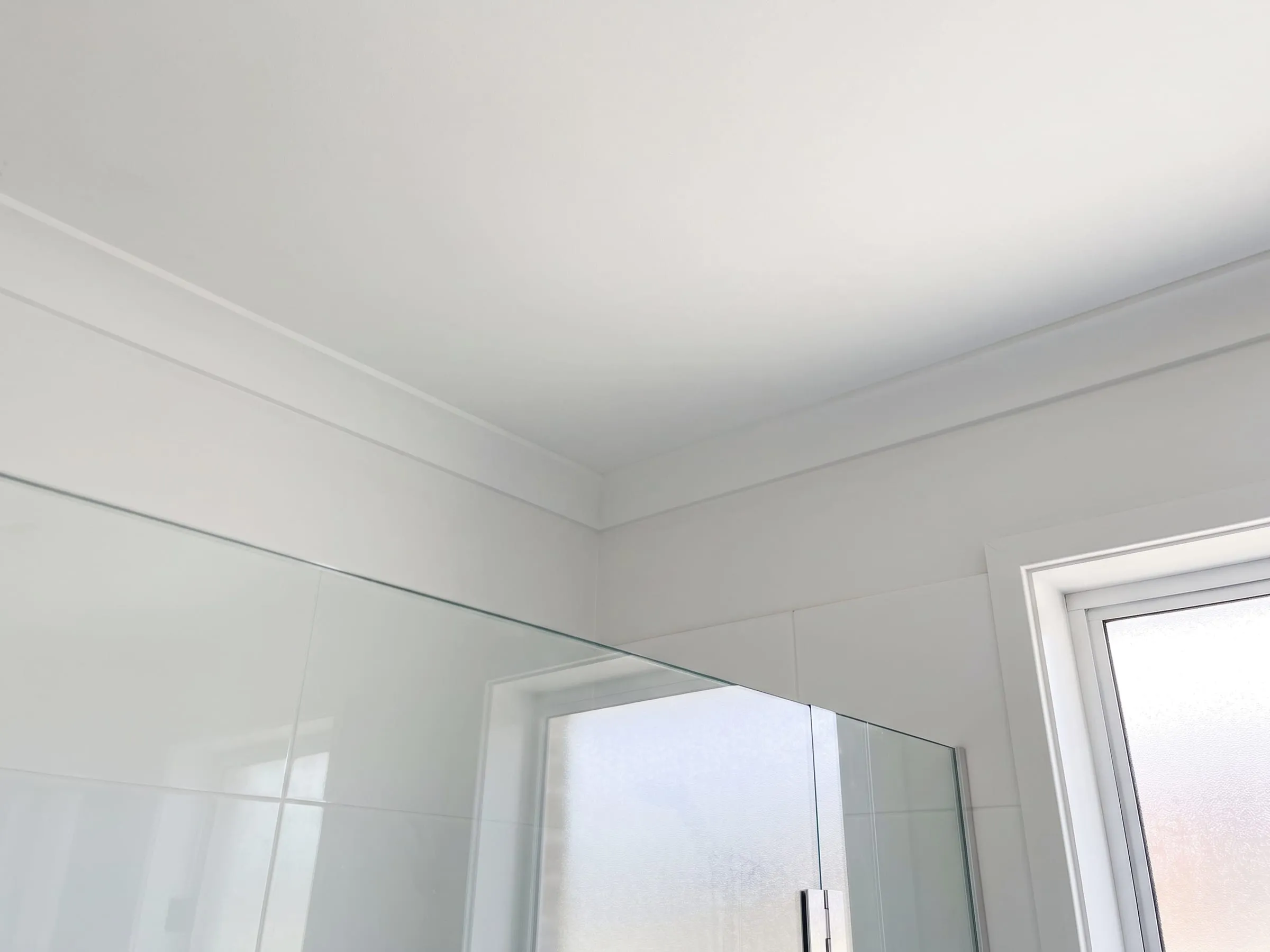
The difference a mould clean makes.
Drag the handle across each image to see the same spot before and after a mould clean.
 After
After 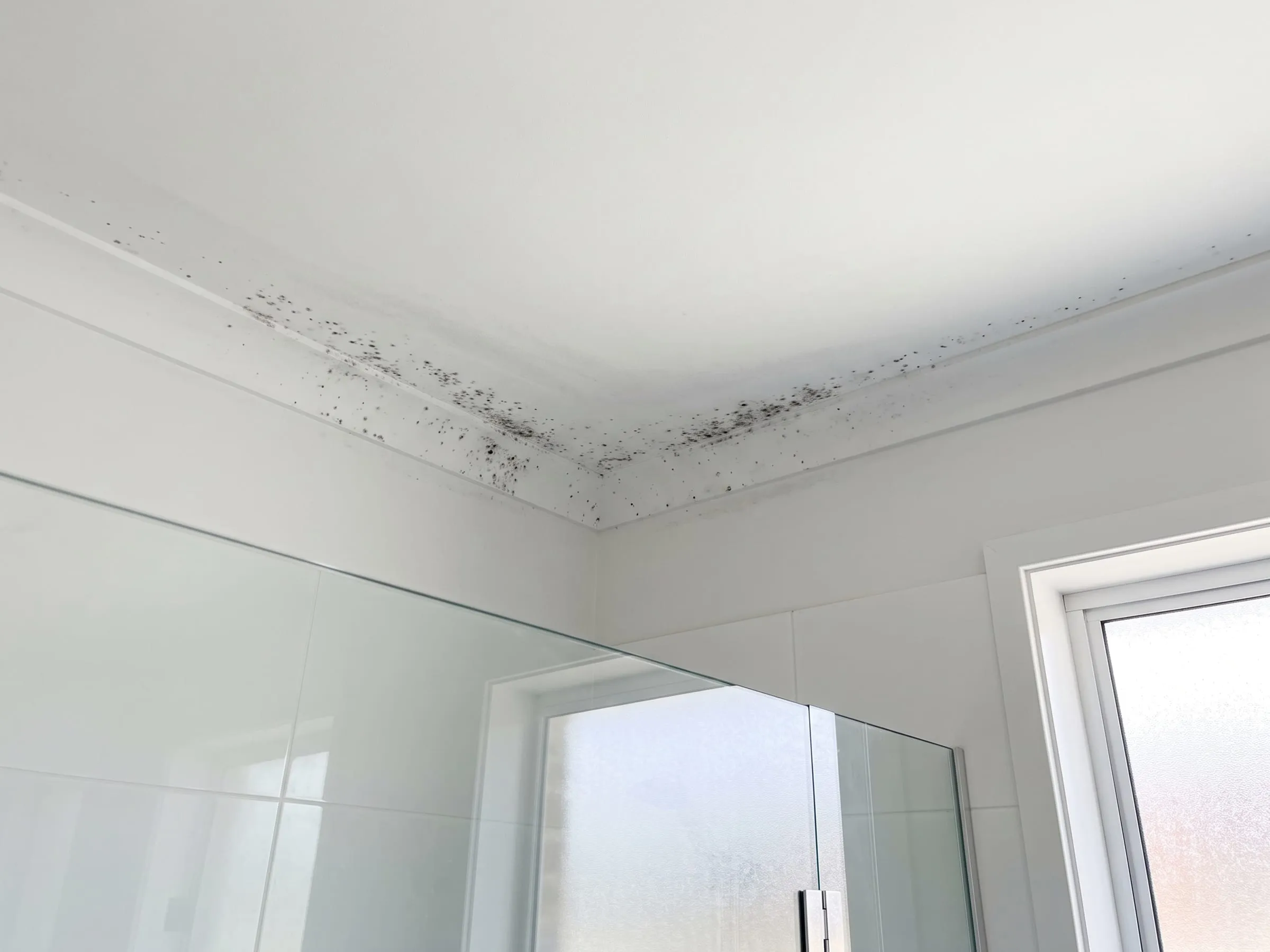 Before
  After
After 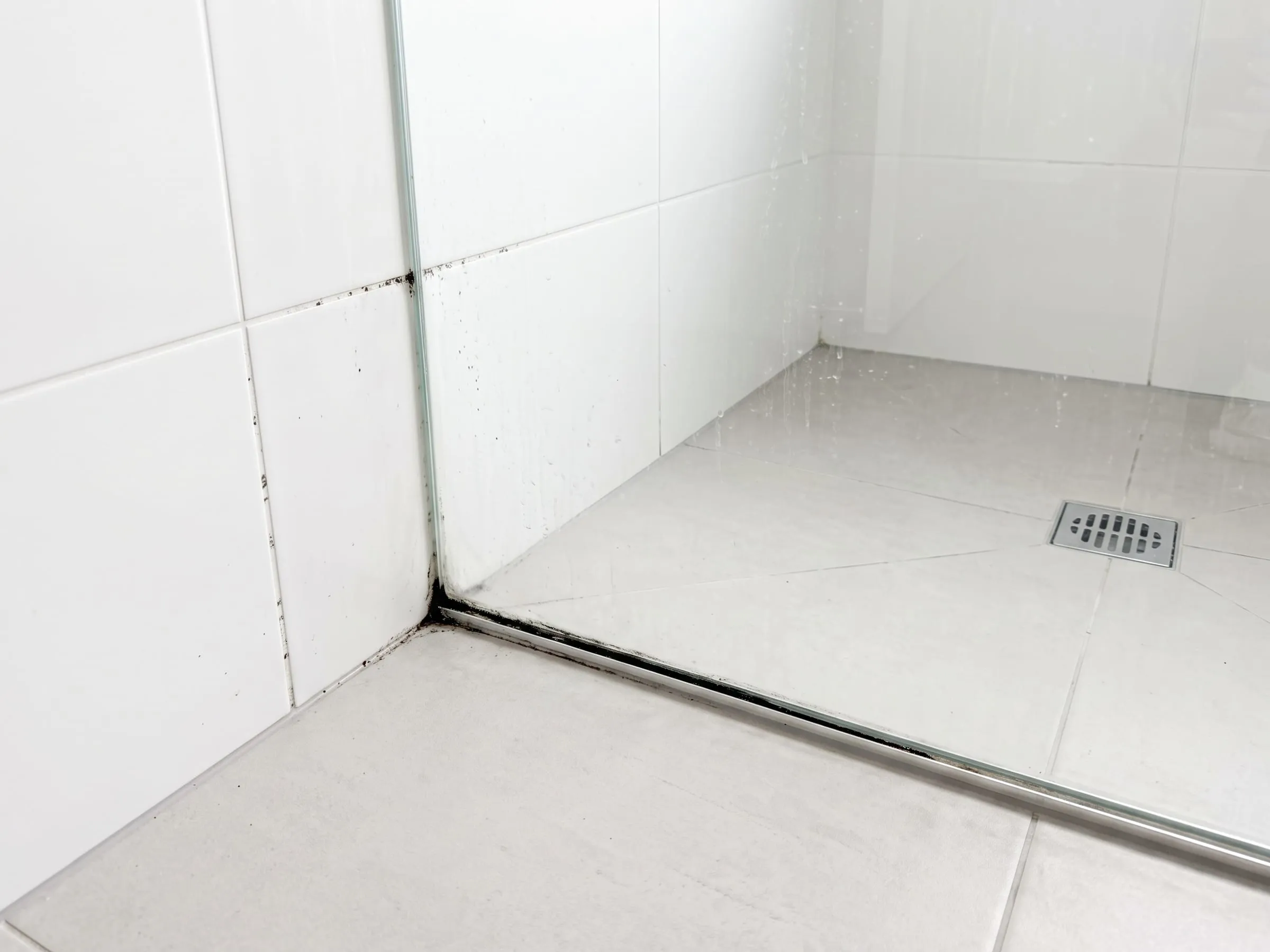 Before
 Illustrations, shown while we collect before and after photos from real TLB cleans.
Send us a photo and we will tell you straight
Book online in a couple of minutes, or send a text, ring us or drop us an email, whichever you would actually do.
Send a photo with your enquiry if you can. Mould is one of the few jobs where a picture genuinely changes the quote, because the difference between spotting along a cornice and a wall that has gone through is obvious in a photo and impossible to describe. It also means that if this is a job we should be handing to someone else, we can tell you that before anyone books a day.
If it turns out to be bigger than a clean, you will hear that from us early and at no cost. We would rather give you an honest answer and no invoice than take a booking we already know will not hold.
Where we clean
Northern Rivers, the Tweed and the Southern Gold Coast.
Northern Rivers NSW
- Lismore
- Goonellabah
- Alstonville
- Wollongbar
- Casino
- Kyogle
- Nimbin
- Clunes
- Bexhill
- Dunoon
- Ballina
- East Ballina
- Lennox Head
- Skennars Head
- Wardell
- Evans Head
- Broadwater
- Woodburn
- Coraki
- Bangalow
- Byron Bay
- Suffolk Park
- Mullumbimby
- Brunswick Heads
- Ocean Shores
- New Brighton
- Billinudgel
- Federal
The Tweed
- Murwillumbah
- Tweed Heads
- Tweed Heads South
- Banora Point
- Terranora
- Bilambil
- Bilambil Heights
- Chinderah
- Fingal Head
- Kingscliff
- Casuarina
- Cudgen
- Cabarita Beach
- Bogangar
- Hastings Point
- Pottsville
- Uki
- Burringbar
- Mooball
Southern Gold Coast QLD
- Coolangatta
- Bilinga
- Tugun
- Currumbin
- Palm Beach
- Elanora
- Burleigh Heads
- Burleigh Waters
- Miami
If a town isn't listed, ask us anyway.
Easy to book, fast quoting, cost effective
Managed for you. A date that suits you, a confirmation in writing, a message when we are on the way, and told first if anything changes.
Book online in a couple of minutes, or send a text, ring us or email, whichever you'd actually do.
Condition is what sets the price on this work, and a job like it can't be priced properly sight unseen. So you get a fast quote on the actual property instead of an instant number that has to be revised later. Tell us honestly what state it's in when you book, because nothing you say will surprise us.
You'll know the price before we start, not after. Being straight about the condition is what lets us allow the right amount of time, rather than running short on the day. If it needs more than we've quoted, you'll hear that before we begin rather than on the invoice.
How it works
- Tell us about the job.
- We confirm the price and agree a time and access.
- We do the clean, and you get a message when we're on the way.
- If something needs fixing, you hear it from us first.
Frequently asked questions
1. Will the mould come back after you clean it?
If the moisture that grew it is still there, yes. Cleaning removes the growth, it does not change the conditions. Where the cause is ventilation or a habit we can often point out a fix that costs nothing. Where it is a leak or a failed seal, it needs a trade, and we will say so rather than sell you the same clean twice.
2. Is mould in my home a health risk?
That is not a question a cleaning company should be answering, so we do not. NSW Health and Queensland Health both publish guidance on damp and mould in the home, and your GP is the right person for anything about your own family. We can tell you what we can see and remove what is on the surface.
3. Does bleach kill mould?
Not reliably. Queensland Health’s advice is that bleach may not be effective on porous surfaces like plaster, grout and unsealed timber, even though the stain disappears and the surface looks clean. White vinegar is the other thing people reach for, and it should never be mixed with bleach. If the same spot keeps coming back after a bottle of something, the product is not the problem, the moisture is.
4. Can you get rid of mould permanently?
Not by cleaning, and nobody can. Permanent means the moisture is gone, and moisture is a building matter rather than a cleaning one. What lasts is a clean plus whatever fixes the cause, whether that is running the fan properly or getting a plumber in. We do the first part and tell you honestly about the second.
5. How do I know if it is surface mould or something worse?
Spotting on sound paint, silicone, grout or a window reveal is usually surface. Paint that is bubbling, lifting or soft, plaster that gives when you press it, a musty smell with nothing visible, or growth that keeps spreading after cleaning all point to moisture behind the surface. Send us a photo and we will give you a straight answer before you book.
6. What if the job turns out to be too big for a clean?
We tell you, at no cost, and we do not take the booking. Mould inside a cavity, mould after a leak or a flood, or mould across a large area needs a licensed remediation specialist, a plumber or a builder. Cleaning the surface of a problem like that hides it for a few weeks and takes your money for nothing.
7. Can you clean black mould out of shower silicone?
Sometimes. If it is sitting on the surface it usually comes off. If the silicone has gone black the whole way through, it has failed rather than got dirty, and no amount of cleaning brings it back. In that case it needs replacing, which is a small job for a handyman or a bathroom trade, and we will tell you which one you have.
8. Why is mould so common in the Northern Rivers?
Warm, humid and wet for a good part of the year, which is close to ideal for it. Add homes that get closed up between guests or holidays, bathrooms with weak extraction and cool outside walls with wardrobes pushed against them, and it turns up in the same handful of places in house after house across the region.
9. Can you do the mould as part of a bond clean?
Yes, and it is worth booking them together, because an exit inspection looks closely at exactly the surfaces mould likes. Tell us it is there when you book the bond clean so it is quoted properly and the right amount of time is allowed, rather than being found on the day when the schedule is already set.
10. Do you bring your own products and equipment?
Yes, everything. If you would prefer particular products used in your home, or someone in the house is sensitive to something, tell us when you book and we will work with that.
11. How much does mould cleaning cost?
It depends on how much there is, what it is growing on and how much of it can actually be cleaned, which is why we quote rather than publish a rate. A photo with your enquiry gets you an accurate price much faster, and it lets us tell you early if this is a job for a trade instead.
Tell us what you are looking at.
Send a photo with your enquiry and you will get an honest answer, including if the answer is that you need a trade rather than a cleaner.